Ensuring your WordPress website’s data is secure is essential, and one of the best ways to do this is by regularly taking backups. In this guide, we will walk you through the steps to take a backup of your WordPress website from Hostinger. Follow these instructions to safeguard your site against data loss and other issues.
Step-by-Step Guide to Backup Your WordPress Website on HostingerStep 1: Access Your Hostinger AccountFirst, log in to your Hostinger account. Once logged in, navigate to the top menu and click on “Websites.”Step 2: Enter the DashboardNext to your website, you will see a “Dashboard” button. Click on it to proceed to your site’s management area.Step 3: Navigate to Files and BackupsOn the left-hand side menu, look for “Files” and then click on “Backups.” This is where you will manage your website’s backup settings.Step 4: Generate a New BackupTo create a new backup, click on the “Generate a New Backup” button. Hostinger allows you to generate one new backup every 24 hours, so keep this in mind if you need to make multiple backups. Click on “Proceed” to start the backup process. Hostinger will now create a copy of your website’s files and databases, which might take a few hours depending on the size of your site.Step 5: Download the Website Files BackupOnce the backup is ready, you can download it. Click on “Select” under “Files Backups,” choose the latest backup date, and then click “Next Step.” Click on “Download All Files” to start the download process. This might take a few minutes to prepare.Step 6: Download the Database BackupTo download your database backup, click on “Select” under “Database Backups.” From the drop-down list, select your database, then click on “Show Databases.” Choose the latest backup date, click on “Next Step,” and then “Download Backup.” The preparation for the database download will also take a few minutes.ConclusionRegularly taking backups of your WordPress website from Hostinger is a critical task for maintaining your site’s security and integrity. By following these steps, you can ensure that you always have a recent copy of your site and database, ready to restore if needed.Before you go, I have something special for you. I am offering two free online video courses. The first course is on Hostinger hosting and WordPress management, and the second one teaches you how to use the Hostinger website builder to create basic websites or online shops. You can get them both for free by clicking the link in the description.If you found this guide helpful, please give it a thumbs up and subscribe. If you have any questions, leave a comment below.
Hey everyone, welcome to Ben’s Experience! In this post, I will show you how to log in to WordPress in Hostinger. This step-by-step guide will help you access your WordPress dashboard with ease. Step-by-Step Guide to Logging in to WordPress in Hostinger Additional Resources Before you go, I have something special for you! I offer…
Welcome to Ben’s Experience! In this guide, I’ll show you how to enable or disable the www prefix in Hostinger Website Builder. This is a straightforward process that can be done in a few simple steps. Steps to Enable or Disable the www Prefix: Viewing the Changes: Once you’ve updated your website, you can view…
Welcome to Ben’s Experience! In this post, I will guide you through the process of permanently deleting your YouTube channel. Whether you want to take a break from YouTube or move on entirely, following these steps will help you remove your presence from the platform. Step 1: Access Your YouTube Channel Studio To begin, visit…
Hey everyone, welcome to Ben’s Experience! In this tutorial, I’ll show you how to delete a WordPress website from Hostinger. Follow these easy steps to remove your site completely. Step-by-Step Guide to Deleting Your WordPress Website Conclusion And that’s it! Your WordPress website has been successfully deleted from Hostinger. Before you go, I have something…
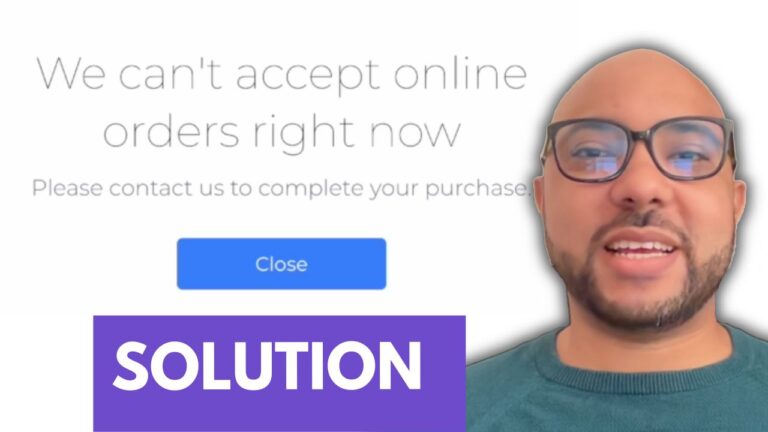
Welcome to Ben’s Experience! In this tutorial, I will guide you through the steps to fix the error “We Can’t Accept Online Orders Right Now” that many users encounter when trying to make a purchase from an online store built using Hostinger Website Builder. Understanding the Issue Many people have reported seeing the “We Can’t…
Welcome to Ben’s Experience! Today, I’m going to guide you through the process of publishing your WordPress website on Bluehost. If you’ve recently installed WordPress on Bluehost, you might be facing a “coming soon” page instead of your actual site. Don’t worry—this just means your website isn’t live yet. But in just a few steps,…
Session expired
Please log in again.
The login page will open in a new tab. After logging in you can close it and return to this page.